

Fluorescent Excitation
LumeDEL’s fiber-coupled LEDs deliver stable, high-radiant power light at key wavelengths, making them ideal for precise fluorescent excitation in research and life sciences.
Fluorescent Excitation
Fluorescence occurs when light excites a photoactive material. Typically, the material absorbs a higher energy (shorter wavelength) photon and emits a lower energy (longer wavelength) photon. Emission occurs spontaneously, producing incoherent output.
Fluorescence is used in the life sciences to nondestructively track or analyze biological molecules by stimulating fluorescent materials with specific colors of light. Some proteins or small molecules in cells are naturally fluorescent. Alternatively, molecules can be “labeled” with an extrinsic fluorophore, a fluorescent dye.
There are two common applications for fluorescence excitation and life sciences:
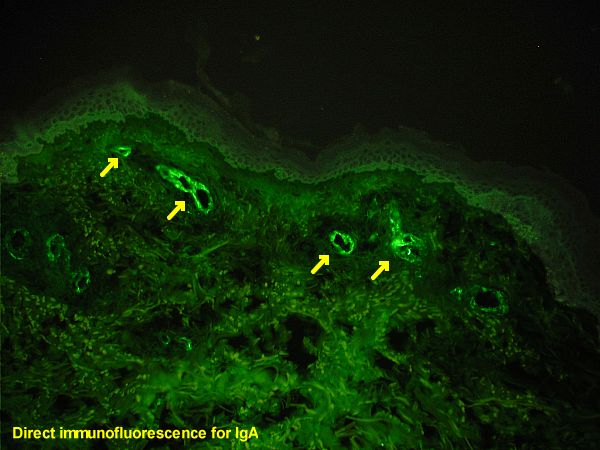
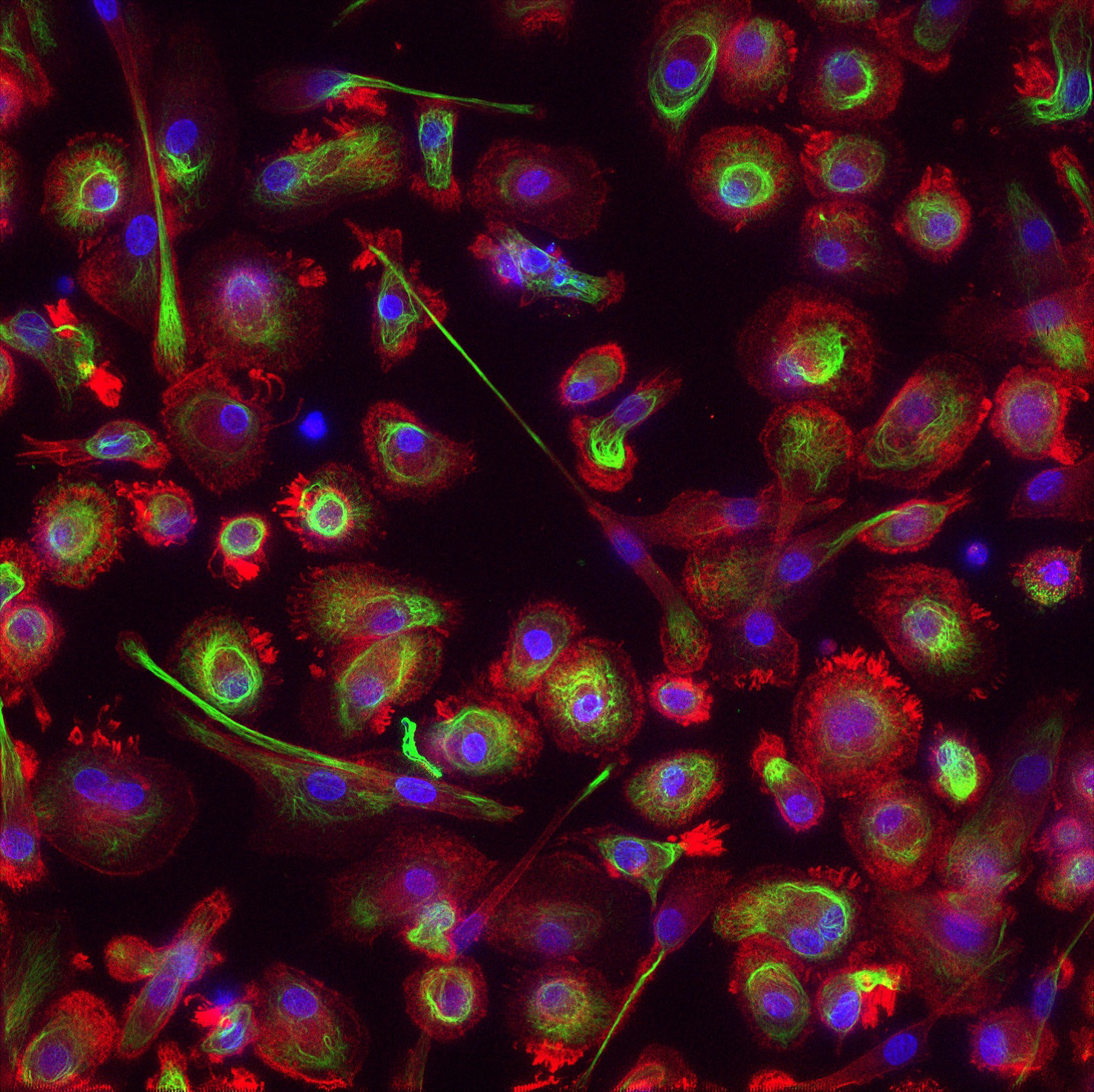
Fluorescence microscopy has become an essential tool in cell biology and medical diagnostics. In immunofluorescence, for example, antibodies that bind to certain types of cells, structures, or proteins are tagged with fluorophores. When a is sample is exposed to the antibodies, then illuminated by the appropriate wavelength of light, any labeled cells or materials fluoresce, producing a high-resolution image. Researchers apply the technique to visualize the dynamics of tissue, cells, individual organelles, and macromolecular assemblies inside the cell. Healthcare professionals use images to detect cells or proteins characteristic of certain pathogens or certain autoimmune diseases.
Fluorescence imaging is a non-invasive technique that applies fluorescence to help visualize biological processes taking place in living organisms. Fluorescence imaging techniques include real-time polymerase chain reaction (PCR) and western blot imaging. Real-time PCR uses fluorescent dyes to detect nucleic acids for diagnostic purposes. One significant application is clinical detection of viruses, cancers, and genetic abnormalities in humans. Western blotting makes it possible to identify specific protein molecules in a mixture of proteins. It provides information about the presence, size, and even relative concentration of a protein.
Fiber-coupled LEDs provide good substitutes for mercury-vapor arc lamps, which are beginning to be phased out for environmental reasons. Fiber-coupled LEDs can generate high radiant power that can be controllably dimmed to maximize signal while preventing sample damage. Mercury-vapor lamps are typically modulated by external choppers, which add size, complexity, and points of failure. Fiber-coupled LEDs are electronically modulated, allowing them to achieve higher frequencies while eliminating the drawbacks of choppers. The small form factors of LED light sources work well for homegrown or OEM tabletop analyzers, where footprint is a concern. Finally, long lifetime reduces cost of operations, in terms of downtime, replacement bulbs, and maintenance.
The NewDEL™ Advantage for Fluorescence Excitation:
- 17 narrowband models
- High radiant power to support widefield imaging
Why LEDs for Fluorescent Excitation?
Fluorescent excitation requires precise, stable illumination at narrow wavelength bands to reliably activate fluorophores. LumeDEL’s NewDEL™ fiber-coupled LEDs deliver high-radiant power and stability across UV, visible, and NIR ranges, ensuring reproducible fluorescence signals in research and diagnostics. Their fiber-coupled design enables efficient light delivery into microscopes, spectrometers, and imaging systems.
Key Benefits of LEDs in Fluorescent Excitation
-
- Precise excitation wavelengths → optimized for a wide range of fluorophores
- Stable spectral output → reduces variability across experiments
- High radiant power → ensures strong fluorescence signal detection
- Fiber-coupled precision → directs light efficiently into optical systems
- Compact, long-life design → dependable for routine lab use and teaching
Challenges in Fluorescent Excitation (and LED Solutions)
Challenge 1: Drift and instability from traditional lamps
Solution: LumeDEL LEDs provide consistent, long-term stability for repeatable results.
Challenge 2: Heat and maintenance requirements
Solution: LEDs generate less heat and require minimal maintenance compared to mercury or xenon lamps.
Challenge 3: Broad, uncontrolled spectra
Solution: Narrowband LEDs focus light at exact excitation wavelengths for improved signal-to-noise ratios.
Applications of LumeDEL LEDs in Fluorescent Excitation
-
- Fluorescence microscopy and imaging
- Flow cytometry and cell analysis
- Diagnostic assays and biomedical research
- Environmental and chemical fluorescence testing
- Academic teaching and training labs
Frequently Asked Questions (FAQ)
Why use LEDs instead of mercury or xenon lamps for fluorescent excitation?
LEDs deliver narrowband, stable illumination at targeted wavelengths, reducing background noise and maintenance.
Which wavelengths are available for excitation?
LumeDEL offers LEDs in UV, blue, green, red, and NIR ranges to match common fluorophores.
Can fiber-coupled LEDs integrate with fluorescence microscopes?
Yes — fiber coupling ensures efficient light delivery directly into microscope ports or imaging devices.
Call to Action
Strengthen your fluorescence research with stable, narrowband LED sources. Explore LumeDEL’s recommended models designed for Fluorescent Excitation.