

Ultraviolet Germicidal Irradiation UVGI research
LumeDEL’s fiber-coupled LEDs deliver stable ultraviolet light at precise wavelengths, making them ideal for UVGI research in medical and scientific applications.
Ultraviolet Germicidal Irradiation (UVGI) Research
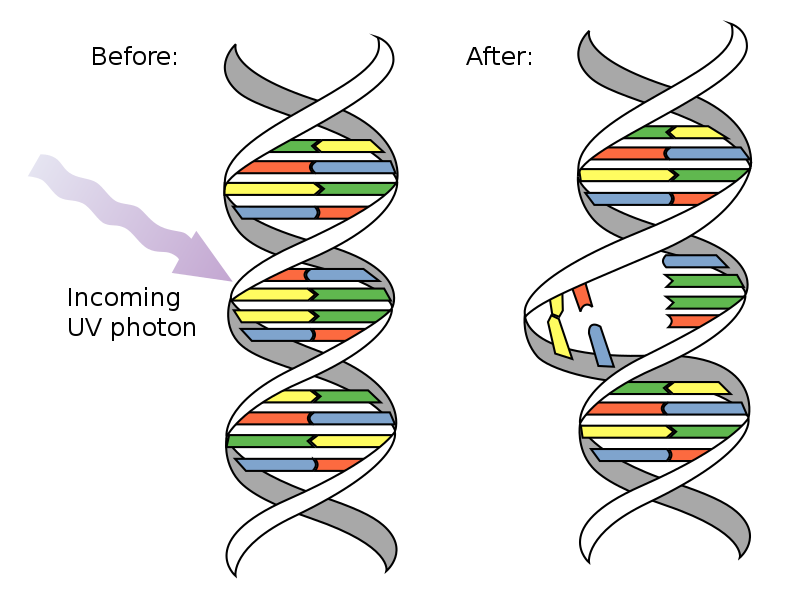
UV-C germicidal irradiation is an established technology for disinfection of air, surfaces, and water. UV-C light has germicidal properties. It damages DNA, impairing the ability of pathogens to multiply.
Traditionally, UV-C sources have used mercury-vapor lamps. Mercury vapor lamps are large, broadband, and generate omnidirectional output, much of which is thrown away. In contrast, UV-C LEDs (275-280 nm) are highly directional, as well as energy efficient, compact, and lower in cost to operate. They’re also eco-friendly, eliminating concerns about mercury disposal. As a result, UV-C LEDs are capturing increasing market share, particularly in the area of point-of-use water purification.
Fiber-coupled UV-C LEDs provide useful sources to researchers and innovators developing new techniques and solutions in this critical area.
The NewDEL™ Advantage for Ultraviolet Germicidal Irradiation (UVGI):
- High radiant power and pulsed modes of operation
- Stable spectral output for reliable results
Why LEDs for Ultraviolet Germicidal Irradiation (UVGI) Research?
Ultraviolet Germicidal Irradiation relies on precise UV-C light to deactivate microorganisms by disrupting their DNA and RNA. LumeDEL’s NewDEL™ fiber-coupled UV LEDs deliver stable, high-radiant power illumination at germicidal wavelengths, making them ideal for controlled laboratory and medical research applications. Compared to mercury lamps, UV LEDs offer greater stability, long life, and environmentally safe operation.
Key Benefits of UV-C LEDs in UVGI Research
-
- Targeted germicidal wavelengths → effective against bacteria, viruses, and fungi
- Stable, repeatable output → consistent illumination improves data reliability
- Long operating life → fewer interruptions than short-lived mercury lamps
- Fiber-coupled precision → controlled delivery of UV-C light into test chambers and optical systems
- Mercury-free design → safer for researchers and more environmentally friendly
Challenges in UVGI Research (and LED Solutions)
Challenge 1: Short lamp life and frequent replacement
Solution: UV-C LEDs provide thousands of hours of use with minimal maintenance.
Challenge 2: Inconsistent or drifting light intensity
Solution: LEDs deliver stable, controlled UV-C output for reproducible results.
Challenge 3: Mercury safety hazards in traditional sources
Solution: Solid-state LEDs remove toxic materials, improving lab safety.
Applications of LumeDEL UV LEDs in UVGI
-
- Sterilization studies for air, water, and surfaces
- Antimicrobial testing and resistance research
- Medical device and packaging decontamination research
- Academic and industrial studies on pathogen inactivation
Frequently Asked Questions (FAQ)
Why use LEDs instead of mercury lamps for UVGI research?
LEDs last longer, eliminate mercury hazards, and deliver stable UV-C light without warm-up time.
Which wavelengths are used for germicidal research?
UV-C wavelengths, typically around 260–280 nm, are most effective at deactivating microorganisms.
Can fiber-coupled LEDs integrate into custom UVGI systems?
Yes — fiber coupling enables precise delivery of UV-C light into experimental chambers or devices.
Call to Action
Enhance your UVGI research with safe, stable, and mercury-free UV LED sources. Explore LumeDEL’s recommended models designed for germicidal research.